

The Collapse of America's First Peace System

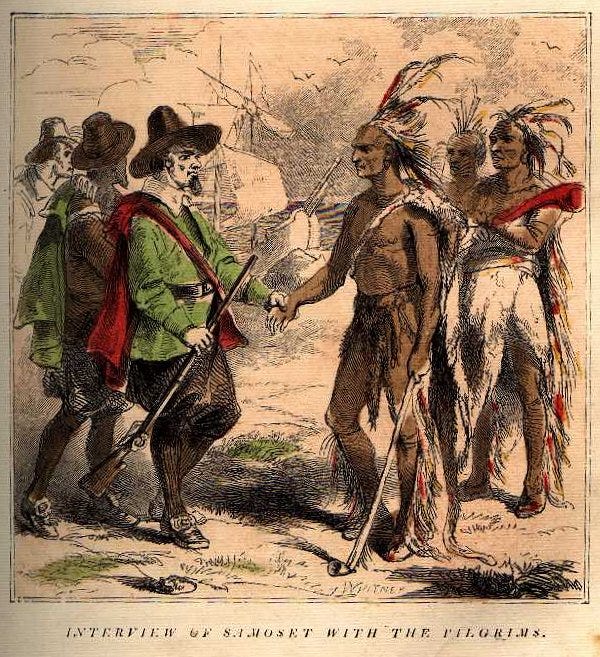

The morning of June 20, 1675, should have been like any other in the borderland settlement of Swansea, then part of Plymouth Colony in what is now Massachusetts. Instead, it marked the violent end of one of colonial America's most sophisticated diplomatic achievements, a peace treaty that had successfully prevented war for more than half a century. When Pokanoket warriors struck that summer day, they weren't just attacking English homesteads; they were shattering the remnants of an intricate conflict resolution system that had once seemed unbreakable.
Understanding how this diplomatic framework functioned and why it ultimately failed reveals something profound about early American governance that history books often overlook. The 1621 treaty between Plymouth Colony and the Wampanoag Confederacy wasn't simply a piece of paper signed by desperate survivors. It represented a remarkable early attempt at cross-cultural diplomacy, with informal enforcement customs, conflict mediation practices, and mutual defense obligations that would have intrigued European observers of the era.
What makes this diplomatic collapse so fascinating isn't just its tragic outcome, but how closely it resembled the very political crises that were simultaneously tearing apart European kingdoms. The same forces that would topple monarchies and reshape nations across the Atlantic were quietly undermining America's first peace system, creating conditions that made King Philip's War almost inevitable.