

Disappeared from Museums: Artifacts Still Missing

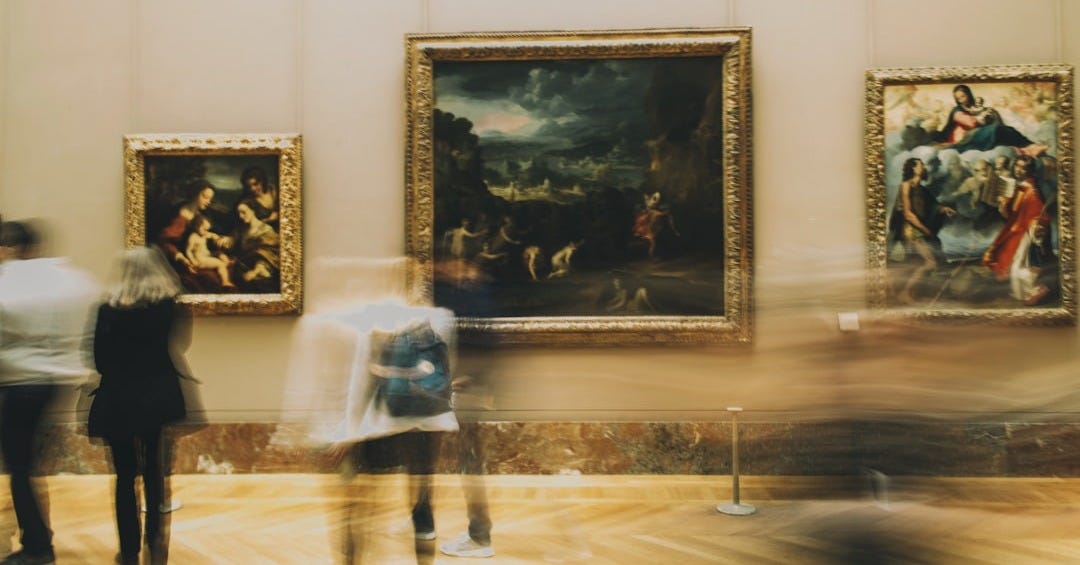
October 2025 was a busy month for museum thieves. Just before dawn on October 15, thieves broke into the Oakland Museum of California’s storage facility and made off with more than 1,000 artifacts, according to Oakland Police Department reports. Four days later, thieves executed a seven-minute heist at the Louvre in Paris, snatching Napoleonic crown jewels worth tens of millions. The Oakland Museum theft underscores a problem museums have wrestled with for decades—precious cultural heritage continues to vanish from their collections, sometimes never to return.
The Oakland heist targeted Native American baskets, jewelry, and historical memorabilia from California’s past. Museum director Lori Fogarty told media outlets in October 2025 that it appeared to be a crime of opportunity rather than a targeted art theft. The FBI Art Crime Team joined the investigation, but the artifacts remain missing. Similar brazen robberies struck museums across the globe in 2025, with the Bristol Museum losing over 600 British Empire-era artifacts in September, and multiple French institutions hit by coordinated thefts.
Cold Cases That Never Close
Some museum thefts become permanent mysteries. March 18, 1990 marked what remains America’s largest unsolved art heist. Two men dressed as Boston police officers convinced guards at the Isabella Stewart Gardner Museum to let them inside just after 1:20 a.m., claiming they were responding to a disturbance. The thieves bound both guards in the basement and spent the next 81 minutes cutting paintings from their frames.
They left with 13 works valued at over $500 million, according to FBI reports on the Gardner Museum case. Among the stolen pieces was Rembrandt’s “The Storm on the Sea of Galilee” (his only seascape) and Johannes Vermeer’s “The Concert,” one of just 36 known Vermeer paintings. The museum still displays the empty frames on its walls. Director of Security Anthony Amore maintains that the museum receives tips regularly, but none have led to recovery. The museum offers a $10 million reward for information leading to the artworks’ return in good condition.
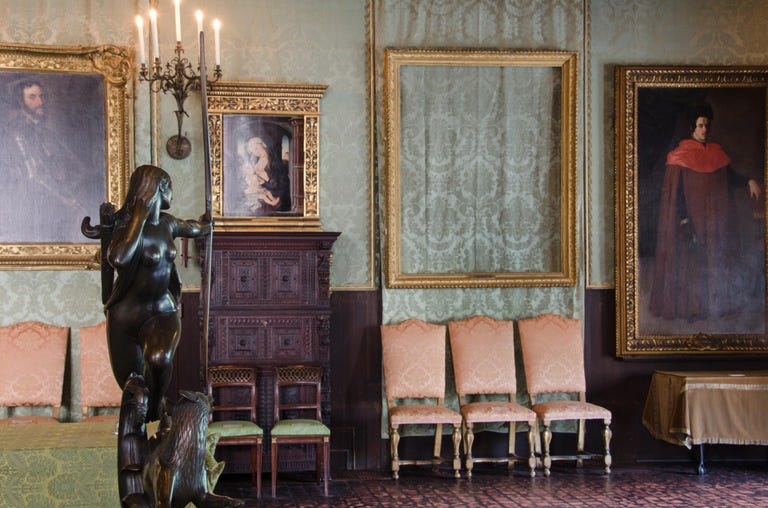
The Gardner case demonstrates how even well-publicized thefts with substantial rewards can remain unsolved for decades. In 2013, the FBI announced they had identified the two thieves, but the art has never been recovered. Security experts believe the stolen works were likely passed through organized crime networks, making them nearly impossible to sell on legitimate markets.
War’s Cultural Casualties
Wartime looting presents a different challenge entirely. When U.S. forces entered Baghdad in April 2003, looters ransacked the National Museum of Iraq over a 36-hour period. Initial reports suggested 170,000 objects were stolen, though that number was later revised. Still, approximately 15,000 cultural artifacts disappeared during the chaos, with about 7,000 recovered and more than 8,000 remaining missing.
The Iraq Museum housed millennia of human history—Sumerian cylinder seals, Babylonian treasures, and Assyrian artifacts. Three distinct groups targeted the museum, according to research on the Iraq Museum looting: professional thieves who knew exactly what to steal from storage areas, random looters who grabbed items from galleries, and insiders who took almost 11,000 cylinder seals and pieces of jewelry. Among the lost treasures is a 4,000-year-old duck-shaped weight from the ancient city of Ur and a gold and lapis bowl from Ur’s royal cemetery.
The museum reopened to the public in 2015, then closed again in 2019 amid protests and the pandemic. It represents not just a loss of artifacts but the erasure of cultural memory. Each stolen cylinder seal or ancient jewelry piece erases part of the historical record of early civilizations.
The Amber Room Mystery
Some missing treasures disappeared so completely that experts debate whether they still exist. The Amber Room (an opulent chamber with walls covered in amber panels backed with gold leaf) was called the “Eighth Wonder of the World” before it vanished during World War II. Originally created in Prussia in 1701 and gifted to Peter the Great in 1716, the room contained over six tons of amber and covered more than 55 square meters at Catherine Palace near Saint Petersburg.
When Nazi forces invaded the Soviet Union in 1941, they dismantled the brittle amber panels within 36 hours and shipped them to Königsberg Castle in modern-day Kaliningrad. The room was displayed there for two years before Allied bombing raids devastated the city in 1944. After that, the trail goes cold. Most historians believe the amber was destroyed in the fires that consumed Königsberg. Declassified Soviet documents from the investigation concluded the room was destroyed between April 9 and 11, 1945.
Yet theories persist. Some claim the amber was loaded onto German ships evacuating during Operation Hannibal in 1945. Others believe it remains hidden in underground vaults. In 1997, German authorities recovered a single mosaic panel from the Amber Room, stolen by a Wehrmacht soldier, but found no leads to the rest. Russia completed a full reconstruction in 2003, but the original panels (worth an estimated $142 million to $500 million today) have never been found.
The mystery of missing museum artifacts extends beyond individual losses. Museums worldwide now face increasing pressure to research the provenance of their collections and repatriate objects with questionable histories.
Whether stolen in overnight heists, looted during wartime chaos, or lost in the fog of war, these missing artifacts represent more than monetary value. They are irreplaceable pieces of human heritage, cultural identity, and historical memory. Empty frames hang on museum walls as reminders of what was lost. The search continues.