

Who Built Gobekli Tepe and Why Did They Bury It?

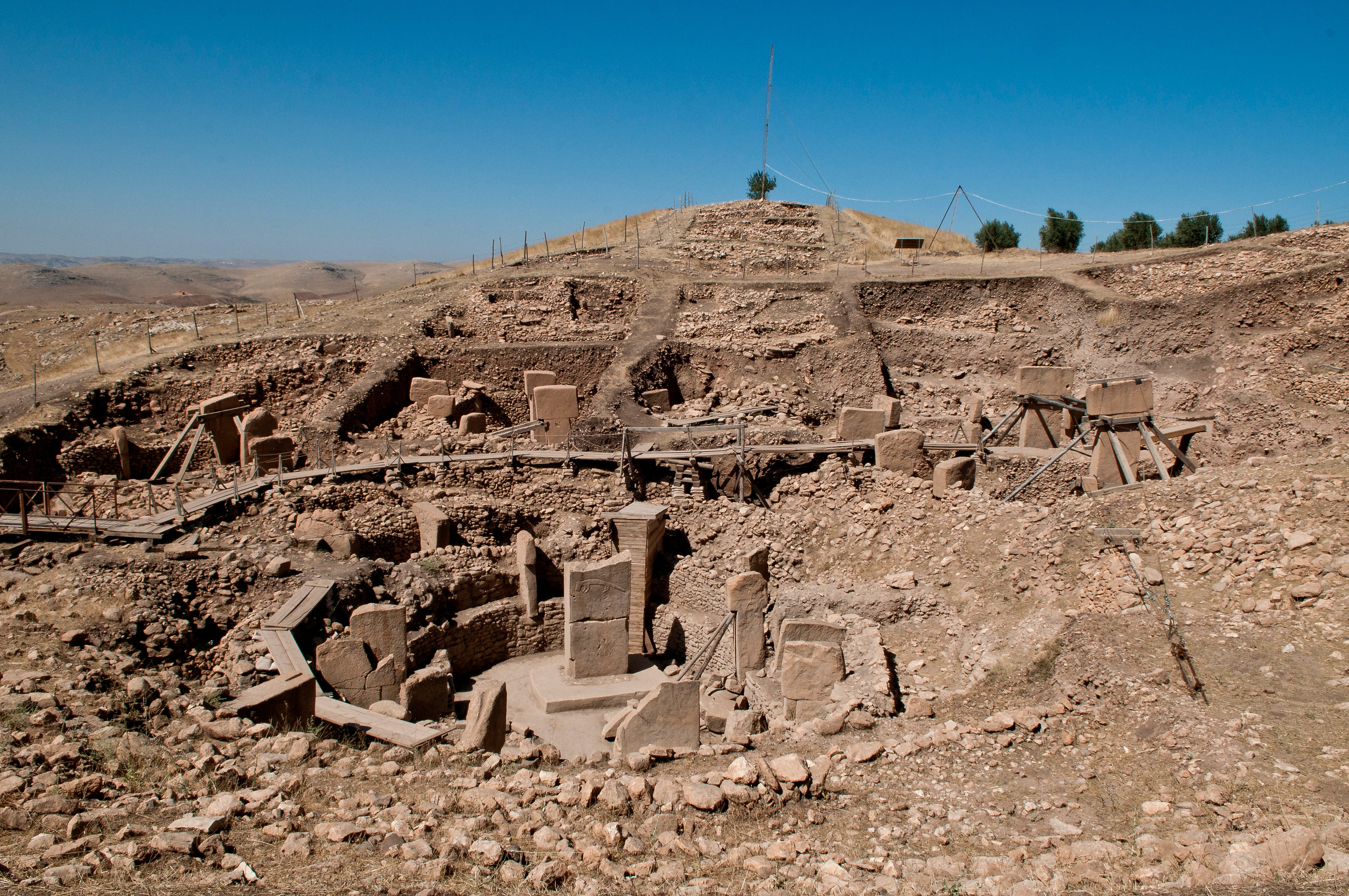
Gobekli Tepe should not exist. That is not a dramatic overstatement it is the considered position of most archaeologists who have worked with the site. The conventional sequence of human social development, which held for decades, runs roughly: food surplus enables settlement, settlement enables specialization, specialization enables monumental architecture and organized religion. Agriculture first, temples second.
Gobekli Tepe reverses this. The site was built by people who had not yet developed agriculture. Carbon dating places the earliest construction at roughly 9600 BCE at least 1,000 years before the first evidence of domesticated plants or animals anywhere in the world. People without surplus food, without year-round settlements, without the organizational infrastructure we usually associate with monumental construction, somehow quarried and transported limestone pillars weighing up to 20 tons, organized the labor required to erect them in precisely arranged circular enclosures, and carved them with sophisticated imagery of animals, abstract symbols, and anthropomorphic figures.
Then, around 8000 BCE, they deliberately buried the entire site under thousands of tons of fill.
Both parts of that story are deeply strange. The construction is remarkable enough. The deliberate burial the intentional concealment of something they spent generations building is almost without archaeological parallel.