

Medieval Manuscripts: The Golden Age of Illuminated Calligraphy

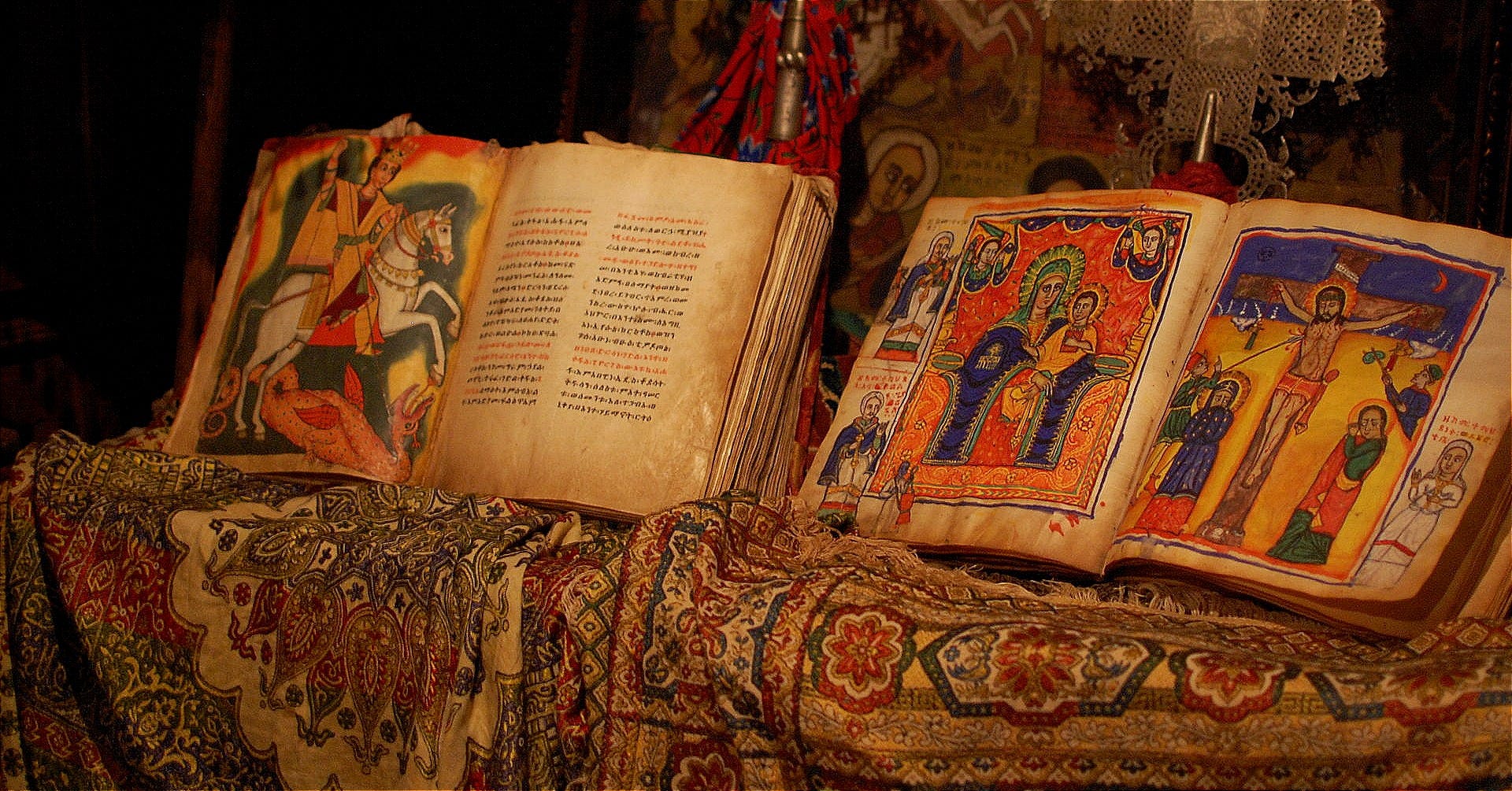
.jpg)
Medieval scribes weren't just copying text. They were creating political statements. A beautifully illuminated manuscript could secure a royal favor, justify a territorial claim, or demonstrate religious devotion that kept you alive during turbulent times. These weren’t simply books with pretty pictures. They were highly valuable investments that could cost as much as several years of a noble’s income.
The art form grew out of Roman cursive writing, which medieval Europe developed in unique directions. Meanwhile, Chinese calligraphy had already been refined independently for centuries. Examples exist from before 200 BCE, and Emperor Qin Shi Huang standardized the script across his empire in 220 BCE. European manuscripts developed their own character through monastery workshops and royal commissions that pushed artistic boundaries.
After centuries of refinement, the tradition nearly vanished until Edward Johnston sparked a revival in the late 1800s. His 1906 book "Writing, Illuminating And Lettering" brought these techniques back to public attention. Johnston's influence persists today in the typeface he designed for London Underground signs. The British Library's recent publication of Patricia Lovett's "The Art & History Of Calligraphy" continues this legacy, but the most compelling stories belong to the original manuscripts and the people who risked everything to create them.