


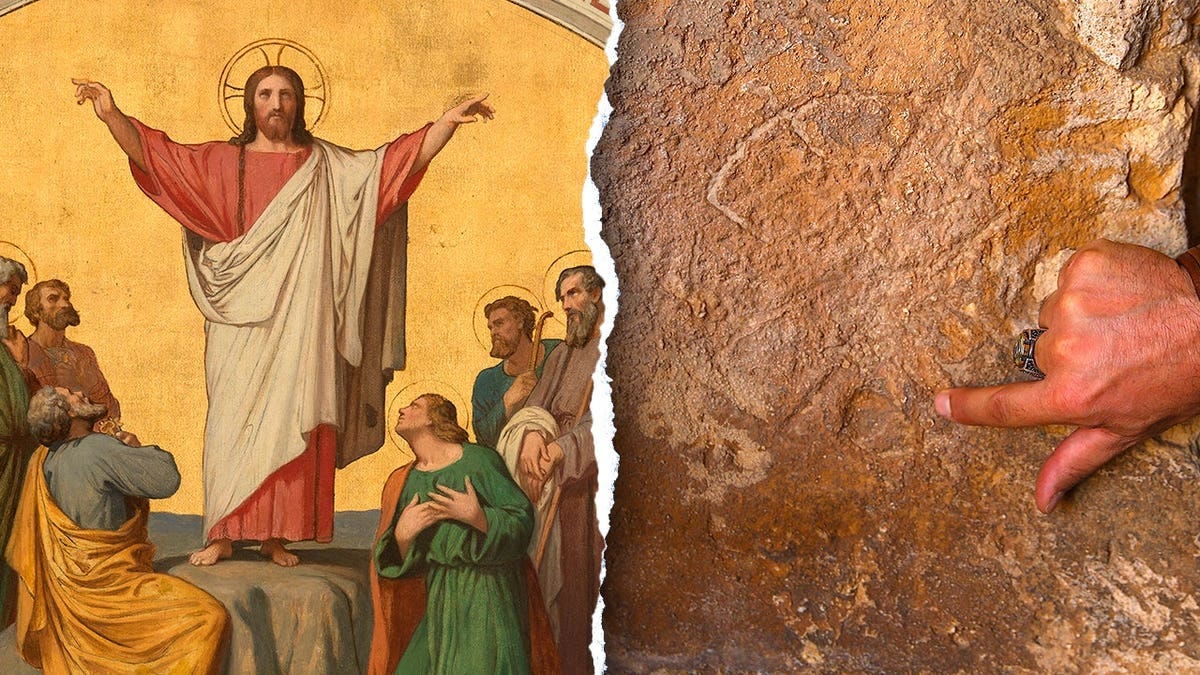
In 2026, after nearly a decade of study, a research team in southeastern Turkey finished deciphering an inscription that had been sitting, unread, at the entrance to an underground temple since it was carved sometime in the third or fourth century. Written in a rare form of Aramaic, the text names both the Invincible Sun God Mithras and, in the same breath, invokes what appears to be Christian language about the Holy Cross and a divine figure who commands, reforms, and spreads love. A carved cross sits directly beside the words. Together, inscription and symbol appear to document, in the temple’s own stone, the precise moment a place of Mithraic worship was formally closed down.
Most of what historians know about how Christianity displaced its religious rivals across the late Roman Empire comes from church histories, imperial decrees, and theological writing produced by the winning side centuries after the fact, sources with an obvious motivation to present the process as righteous and inevitable. An inscription carved at the actual moment of closure, at the actual site, by people directly involved in shutting the building down, offers something considerably rarer: a firsthand documentary trace of religious succession happening in real time, rather than a retrospective account written by the theologians who came out on top.
A Fortress Temple in the Kurdish Mountains
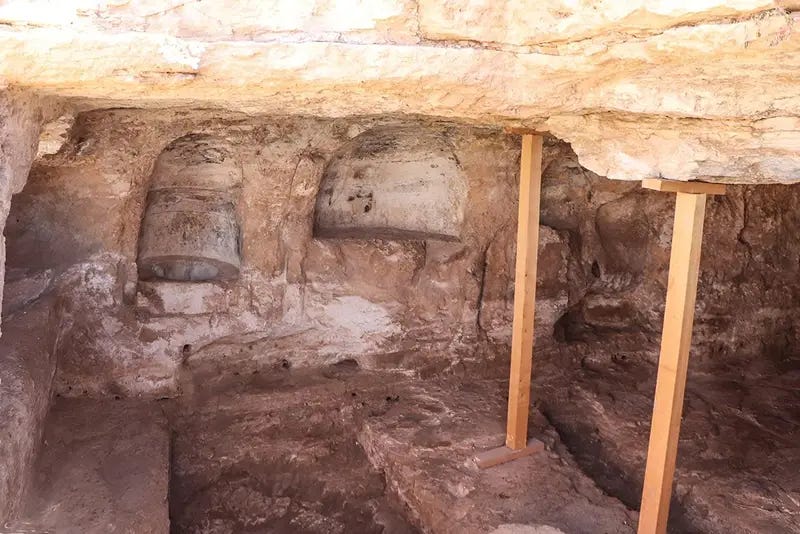
Zerzevan Castle, a Roman military fortress in the Cinar district of Diyarbakir province, holds the temple beneath its grounds, close to Turkey’s border region with Syria, a strategic post along Rome’s eastern frontier facing the rival Persian Sassanid Empire. Archaeologists have excavated the castle systematically since 2014, and the site was added to UNESCO’s World Heritage Tentative List in 2020 in recognition of how unusually well preserved its Roman-era structures remain.
Mithraic temples, known as Mithraea, were traditionally built underground or inside caves by design, mimicking the cave in which Mithras was believed to have been born directly from solid rock, and the temple at Zerzevan follows that pattern closely, carved into a chamber beneath the fortress rather than built as a visible aboveground structure. Excavators found the entrance inscription in 2017, but the specific, unusual dialect of Old Aramaic it was written in required years of specialized comparison against other regional inscriptions before Professor Mehmet Sait Toprak, a Syriac language specialist at Mardin Artuklu University, could confirm a reliable translation.