

The Real Nazca Lines: What Mainstream Archaeology Won’t Commit To

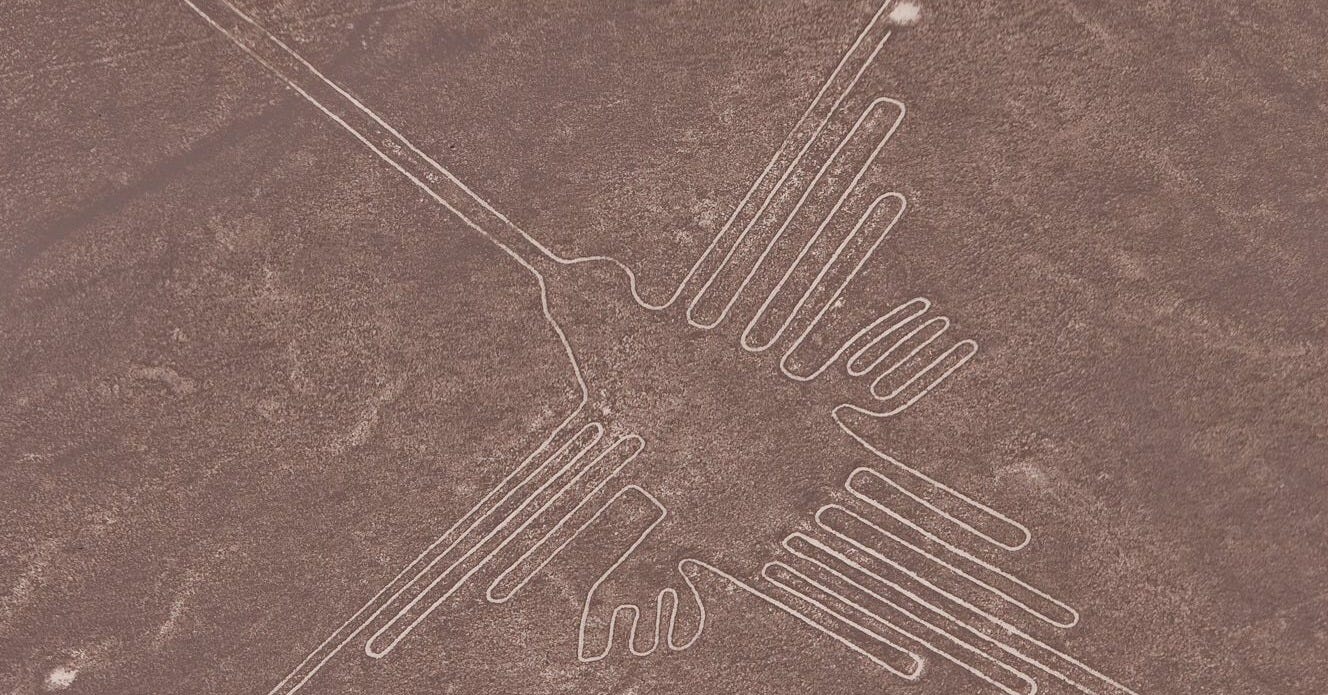
The Nazca Lines are one of those subjects where the mainstream archaeological explanation is technically correct, probably incomplete, and almost certainly missing something. The official position that they were ritual pathways created by the Nazca culture between roughly 200 BCE and 700 CE, likely connected to water worship and ceremonial processions is well supported by evidence. It is also, if you look carefully at the actual data, more of a working hypothesis than a settled answer.
Nobody disputes that the Nazca people made the lines. Nobody seriously argues for aliens, despite what certain television series would have you believe. But within the legitimate academic debate, there are at least three competing theories about why the lines were made, what they meant, and how they were used and the honest answer is that the evidence does not cleanly settle any of them. Mainstream archaeology’s reluctance to commit on this is not dishonesty. It reflects a genuinely complicated evidentiary picture that deserves more attention than it usually gets.
This is that attention.