


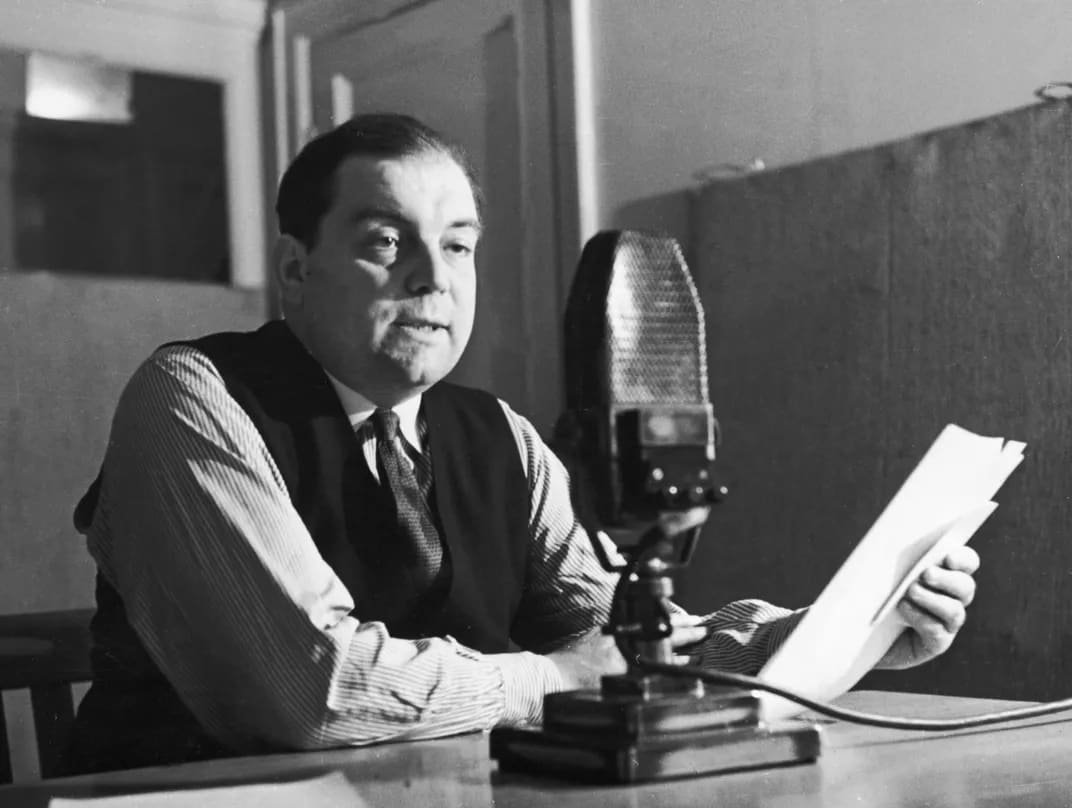
British intelligence ran an extensive, deliberately covert propaganda campaign against Germany throughout World War Two, built around clandestine radio stations designed to sound like genuine German broadcasts rather than obvious enemy propaganda, a program historians now generally credit to journalist and intelligence officer Sefton Delmer, who oversaw much of Britain’s black propaganda effort from a country estate outside London.
Delmer’s stations, including one posing as a patriotic German military broadcaster, mixed real, verifiable war news, deliberately included to build listener trust, with fabricated rumors, exaggerated Allied strength reports, and content designed to undermine morale among German troops and civilians tuning in without realizing the broadcast’s true origin.
Why Music Became Part of the Strategy
Jazz and other music banned or restricted under Nazi cultural policy, which viewed the genre as degenerate and associated with Black and Jewish musicians, became a deliberate tool within these broadcasts. Playing forbidden music gave listeners a genuine, tangible reason to keep tuning in beyond the propaganda content itself, and its very illegality under Nazi rule made the broadcasts feel like a small act of rebellion for listeners choosing to hear it.
Sefton Delmer’s stations combined this musical draw with psychologically targeted content exploiting real German soldiers’ grievances, including corruption among Nazi officials and the deteriorating conditions many troops faced, information gathered partly through interrogations of German prisoners of war and partly through intelligence gathering, then woven into broadcasts designed to sound like insider German commentary rather than foreign propaganda.
Popular retellings sometimes describe British aircraft physically flying over German territory broadcasting jazz from airborne loudspeakers, a vivid image that doesn’t match the better documented historical record. British psychological warfare in this period worked primarily through clandestine ground-based radio transmitters and leaflet drops from aircraft, rather than airborne audio broadcasts, and the specific loudspeaker-equipped aircraft detail appears to be a later embellishment layered onto a genuinely real and effective radio propaganda campaign.
Leaflet drops were real and extensive, with British and later American aircraft dropping millions of printed propaganda leaflets over German territory throughout the war, sometimes containing forged official-looking documents designed to spread confusion and demoralize troops and civilians who found them.
Evidence the Campaign Actually Worked
Postwar interrogations of German prisoners and captured internal German reports suggest Delmer’s black propaganda broadcasts genuinely reached and influenced German listeners, particularly soldiers isolated from reliable information and hungry for any news, uncensored music, or content that felt more honest than official state broadcasts.
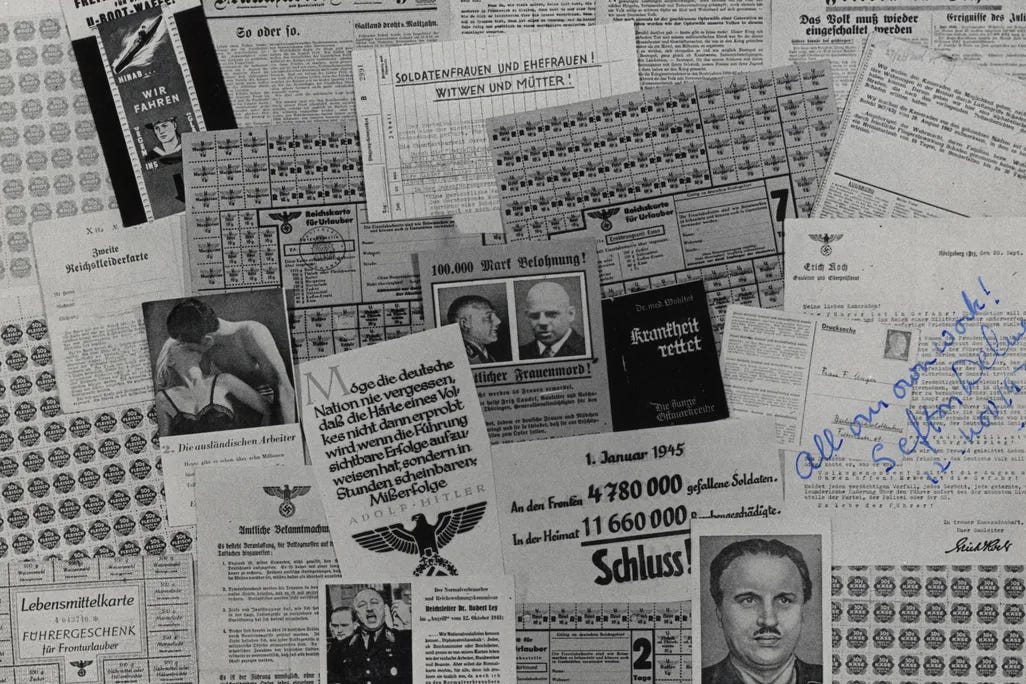
Assessing exactly how much any propaganda campaign changed the war’s outcome remains inherently difficult, since morale effects are notoriously hard to measure with precision, but British and American postwar analysts considered the psychological warfare program successful enough that similar tactics, adapted radio propaganda blending real information with targeted psychological content, became a standard tool of Cold War era intelligence operations for decades afterward.
Sefton Delmer himself was a German-born British journalist who had covered Adolf Hitler’s rise firsthand as a foreign correspondent during the 1930s, giving him an unusually intimate, firsthand understanding of Nazi rhetoric, German cultural attitudes, and the specific anxieties and grievances likely to resonate with an ordinary German soldier or civilian listening in secret to a broadcast that sounded almost, but not quite, like home.
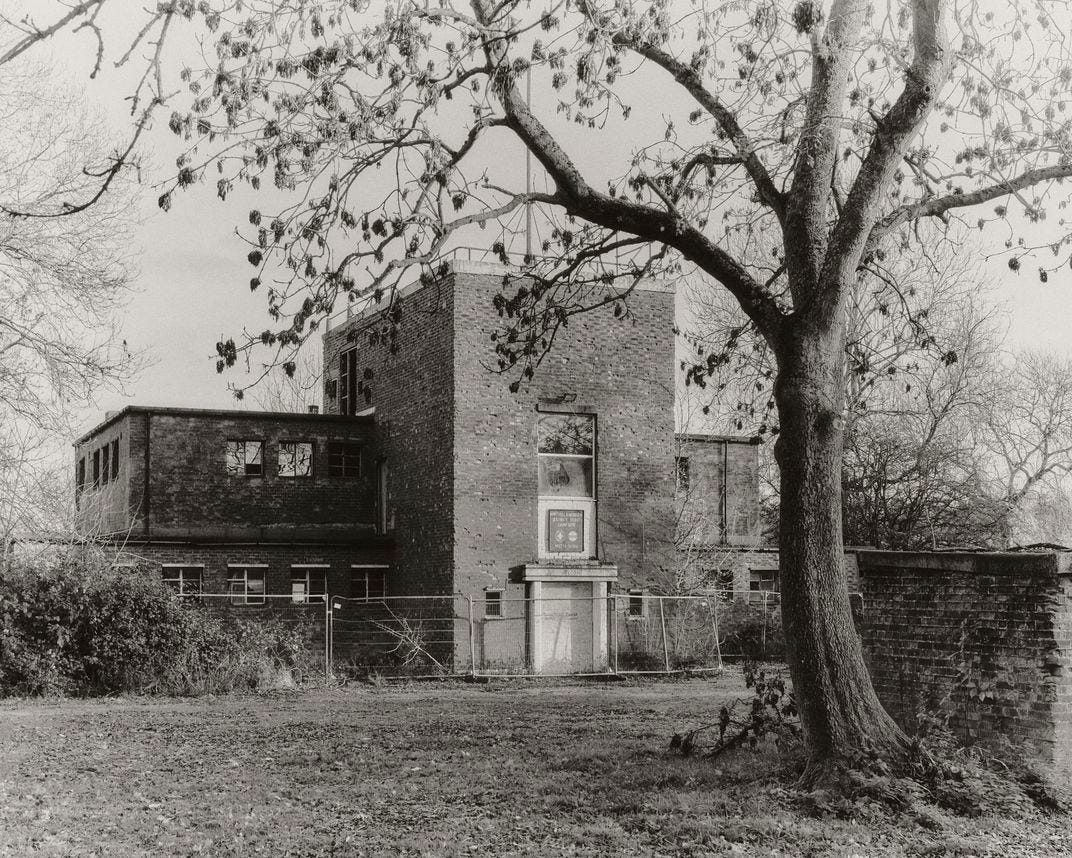
That personal familiarity with Germany, rare among British intelligence officers of the era, is part of why Delmer’s broadcasts felt convincingly authentic to German listeners in a way more generic Allied propaganda efforts often failed to achieve, blending real cultural fluency with a deliberately manipulative intelligence operation in a combination that later psychological warfare specialists studied closely.
What This Campaign Reveals About Information Warfare Generally
Delmer’s approach rested on a specific insight that remains relevant well beyond its original wartime context: propaganda works best when it doesn’t announce itself as propaganda, embedding manipulative content inside a stream of otherwise credible, verifiable information rather than presenting an obvious, easily dismissed one-sided argument.
That same basic principle, mixing genuine, checkable facts with manipulative framing to build audience trust before introducing the actual persuasive payload, has been identified by later researchers studying propaganda and disinformation as a recurring pattern across conflicts and eras entirely separate from World War Two, suggesting Delmer’s operation functioned less as a wartime curiosity than as an early, unusually well-documented case study in a much older and more persistent form of information warfare.
Delmer largely avoided public recognition for his wartime work until decades later, when declassified files and his own postwar memoirs gradually revealed the scale of what his team had actually built, a delayed reckoning common to intelligence work generally, where the most consequential campaigns are often also the ones designed most carefully never to be traced back to their true source.
If a fake German radio station playing banned jazz could quietly undermine enemy morale, how many other wars have been shaped by battles nobody ever saw fought?

It was a genius idea.
There was a very lovely "German" girl who broadcast to Germany as part of this campaign. Sort of a British Tokyo Rose.