

Poison, Politics, and Power: How Roman Emperors Were Really Killed

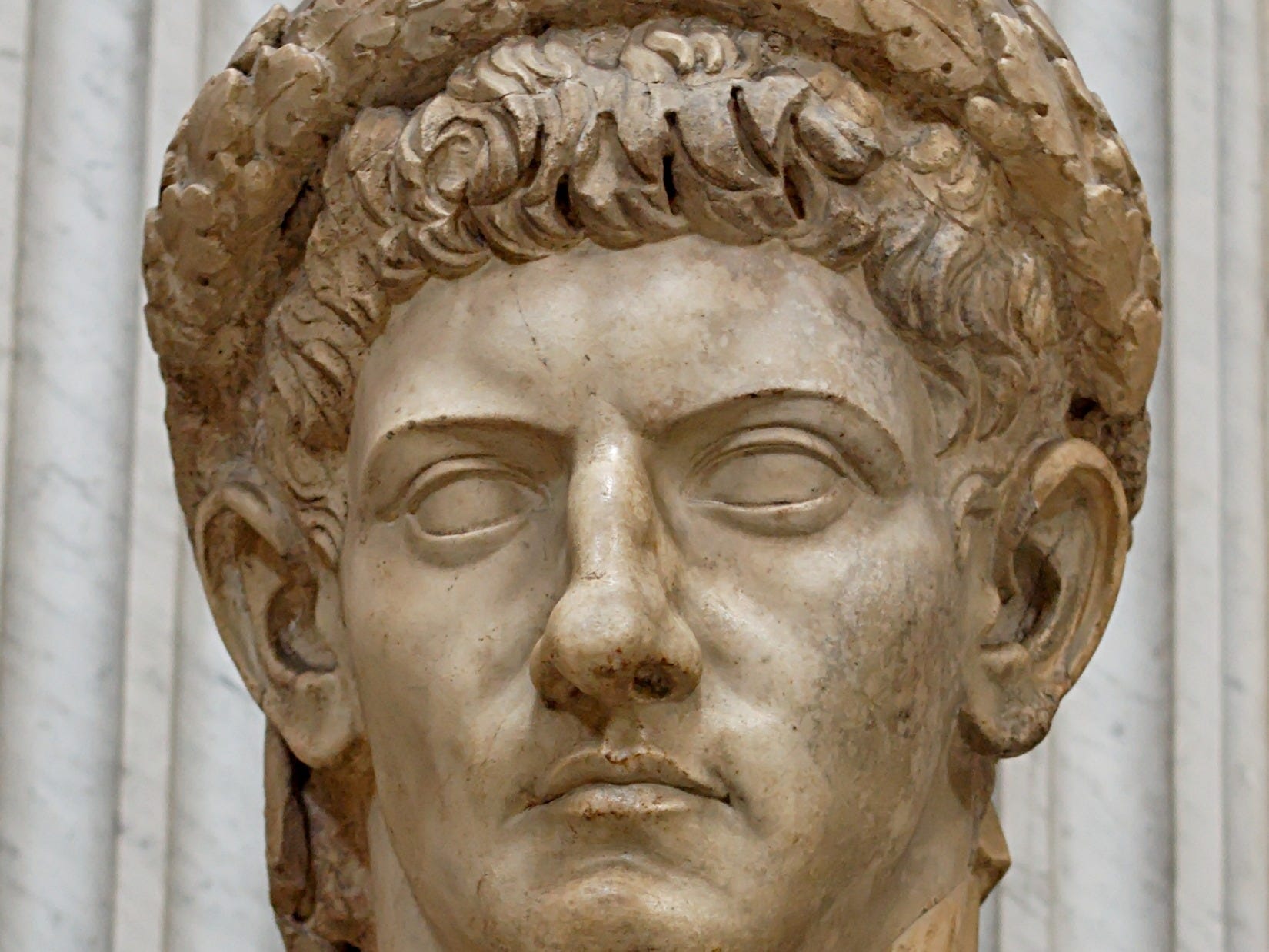
Of the first fifteen Roman emperors, counting from Augustus to Domitian, a majority died violently or under suspicious circumstances. Caligula was assassinated by his own Praetorian Guard. Claudius, according to multiple ancient sources, was poisoned with mushrooms by his wife. Nero died by assisted suicide while fleeing a Senate ordered execution. Galba, Pertinax, and Commodus were all murdered. Domitian was stabbed repeatedly by a conspiracy that included members of his own household.
This pattern raises a question that seems obvious but has received surprisingly little rigorous attention: how many Roman emperors who were officially recorded as dying of illness or natural causes were actually killed? And more interestingly what does forensic history, bioarchaeology, and a careful reading of the political record tell us when we look past the official accounts?
The answer is more interesting than the death toll alone.