

The Scripts We Cannot Read: Humanity’s Unbroken Codes

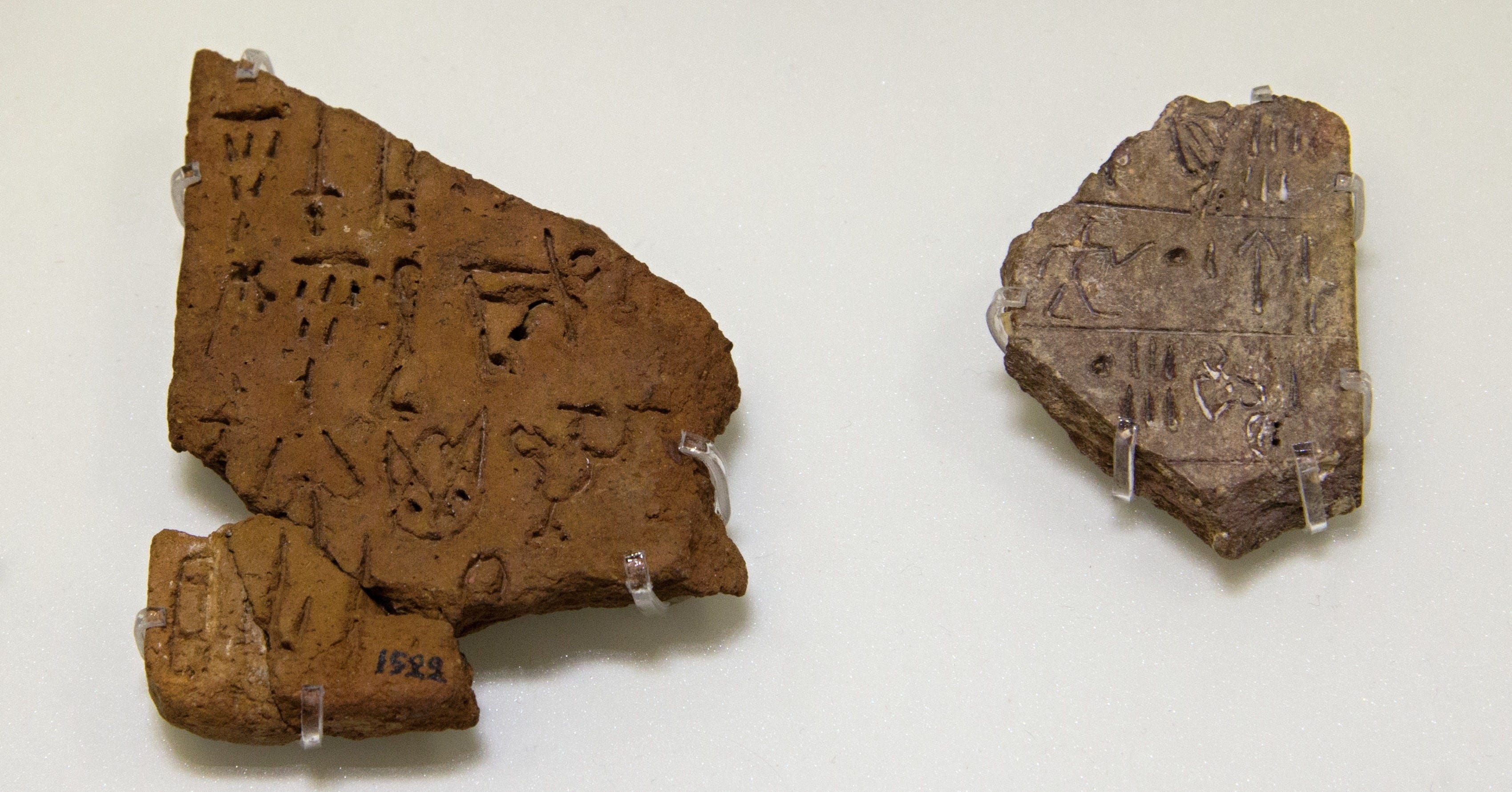
In 1952, a young British architect named Michael Ventris solved one of archaeology’s greatest puzzles. Working largely from his London home, he deciphered Linear B, the script used in Late Bronze Age Greece, demonstrating that it recorded an early form of Greek now known as Mycenaean Greek. The scholarly world reacted with surprise and excitement. If Ventris could decode Linear B, many assumed its predecessor, Linear A, the writing system associated with the Minoan civilization of Bronze Age Crete, would soon follow. More than seventy years later, Linear A remains undeciphered.
Ventris died in a car crash in 1956, just four years after announcing his decipherment. Whether he would have made progress on Linear A is impossible to know. What is clear is that despite decades of work by linguists, archaeologists, and cryptographers, and despite the use of increasingly sophisticated computational tools, several ancient writing systems remain unreadable. These scripts represent societies whose texts survive but whose languages are still unknown, preserved on clay tablets, stone inscriptions, and other durable materials.
The scripts discussed here, Linear A, Rongorongo, Proto-Elamite, and the Indus script, share certain challenges. In most cases, scholars agree they represent structured sign systems used in administrative or symbolic contexts, and many researchers consider them likely to encode language. However, we lack long continuous texts, bilingual inscriptions linking them to known languages, or securely identified linguistic relatives. As a result, each remains an unresolved problem. They may record economic transactions, religious activity, names, or other aspects of daily life, but without new discoveries or decisive breakthroughs, their contents remain uncertain.